Not every project requires prime, certified steel. If you are building a fence, a livestock pen, or a backyard shed, our secondary steel yard can save you a significant amount of money. At River City Steel & Recycling, we carry a wide range of surplus and secondary materials that are structurally sound but priced much lower than new steel.
Common Secondary Steel Items
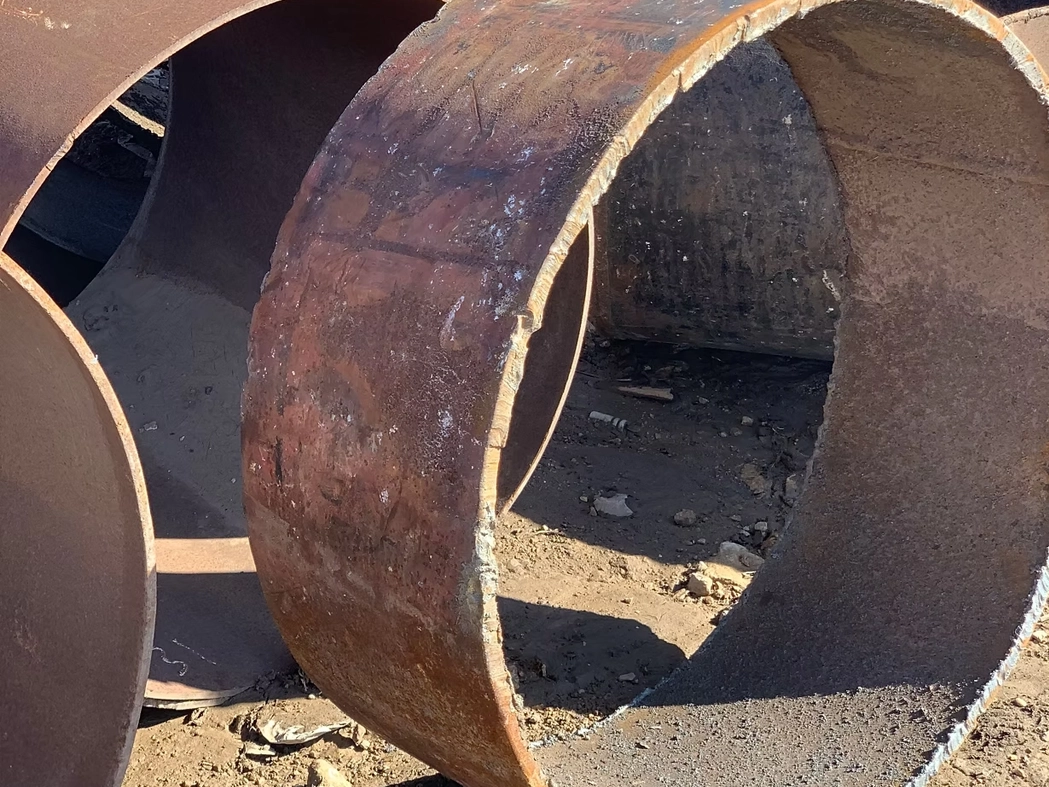
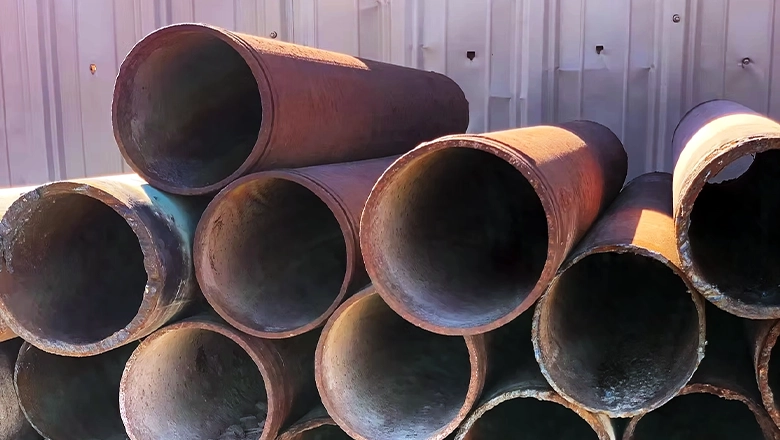
Surplus Pipe
Perfect for fencing, bollards, and structural supports.
Secondary Tubing
Square and rectangular tubing with minor surface rust or imperfections.
Discount Beams
I-beams and channel for budget-friendly building frames.
Plate & Sheet Remnants
Smaller pieces of plate and sheet metal for repairs and fabrication.
Is Secondary Steel Right for Your Project?
Secondary steel is often just "new" steel that has been sitting in a yard too long or was a cancelled order. It might have some surface rust or minor dings, but it’s still strong and reliable. If your project is going to be painted or doesn't require mill certifications, secondary steel is the smartest way to stay under budget.
The RCS Difference
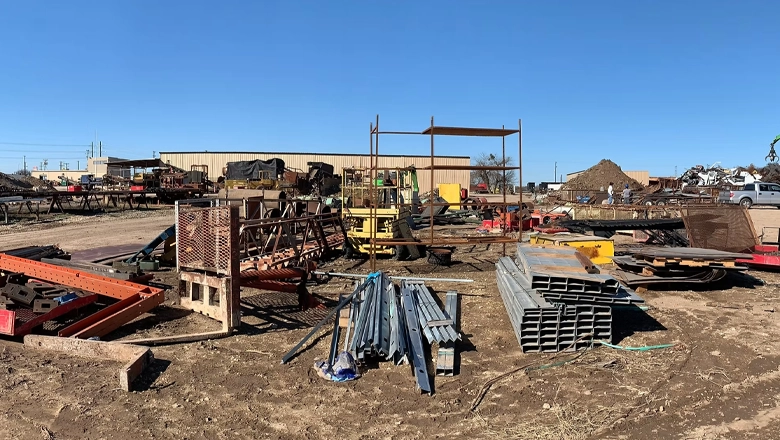
Unlike some discount yards that are disorganized and hard to navigate, we keep our secondary steel easy to browse. Our team can help you sort through the stacks to find exactly what you need.
Freqently Asked Questions
Get answers to common questions about our yard, legacy, and metal services.
What exactly is the difference between new and secondary steel?
Most of our secondary steel is actually new, but it's considered "surplus." This happens when a big project gets cancelled or a distributor overstocks. It might have some surface rust or a few scratches from sitting outside, but it’s still solid metal. The biggest difference is the price—it's much lower because it doesn't come with mill test reports.
Is it safe to use secondary steel for a barn or a carport?
For most residential and agricultural projects, it’s a great choice. It’s structurally sound and handles the same loads as prime steel. However, since it doesn't have official certifications, it might not be suitable for large-scale commercial buildings that require strict engineering paperwork. For fences, sheds, and pens, it’s perfect.
Does secondary steel always have rust on it?
Sometimes, yes. Because it’s often stored outside, you might see some light "blush" or surface rust. This doesn't affect the strength of the steel. Usually, a quick wire brush or a coat of primer is all it needs to look like new. If you're going to paint your project anyway, there’s no reason to pay the premium for prime steel.
Do you always have the same sizes in the secondary yard?
No, our secondary inventory depends on what surplus loads we can find. It changes every day. One week we might have a lot of 2-inch pipe, and the next it’s all I-beams. If you're looking for a bargain, it’s always best to call us at (210) 924-1254 or just swing by Roosevelt Ave to see what’s on the ground today.